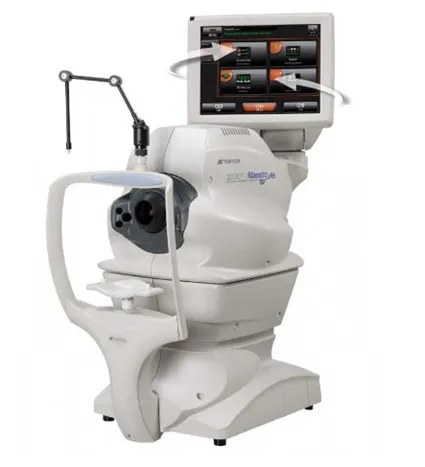
Retinal screening photos are digital images of the back of your eye, specifically the retina, optic nerve, and blood vessels. These photos are captured using a specialized camera called a fundus camera.
Why are retinal screening photos important?
These photos are crucial for early detection and monitoring of various eye diseases, including:
- Diabetic retinopathy: A complication of diabetes that can damage the blood vessels in the retina, leading to vision loss.
- Glaucoma: A group of eye diseases that damage the optic nerve, often due to increased pressure in the eye.
- Age-related macular degeneration (AMD): A condition that affects the central part of the retina, causing blurred vision.
How are retinal screening photos taken?
The process is quick and painless. You'll sit in front of the camera, and your technician will ask you to focus on a target light. The camera takes a series of photos of your retina, which are then reviewed by your doctor.
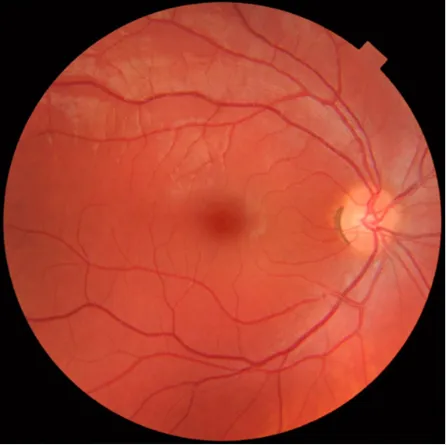
What do retinal screening photos look like?
The images will show the intricate network of blood vessels in your retina, the optic nerve head, and the macula, which is the central part of the retina responsible for sharp, central vision.
How often should I get retinal screening photos?
The frequency of retinal screening depends on your individual risk factors, such as age, family history, and medical conditions like diabetes. Your doctor will recommend a screening schedule that is right for you.